
The Positive Environmental Impact of Kernza ® Perennial Grain
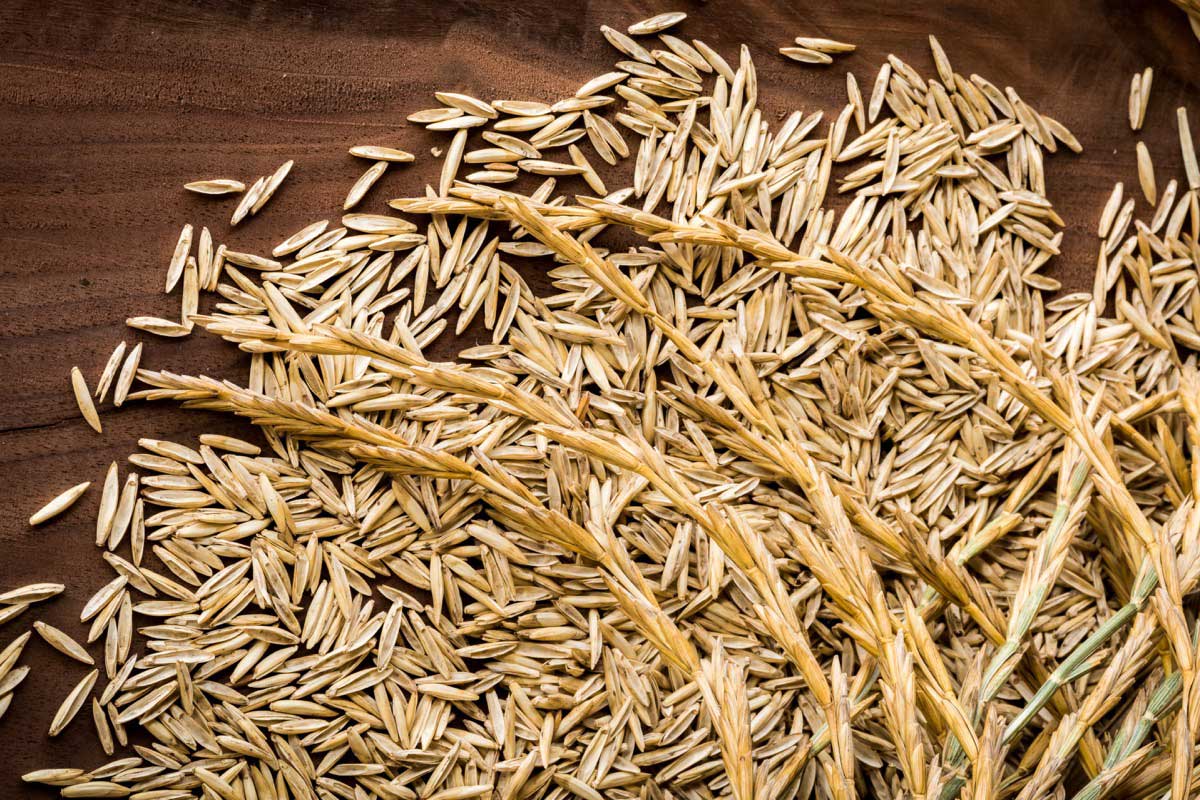
What if we could grow food that benefits the environment as much as it nourishes us?
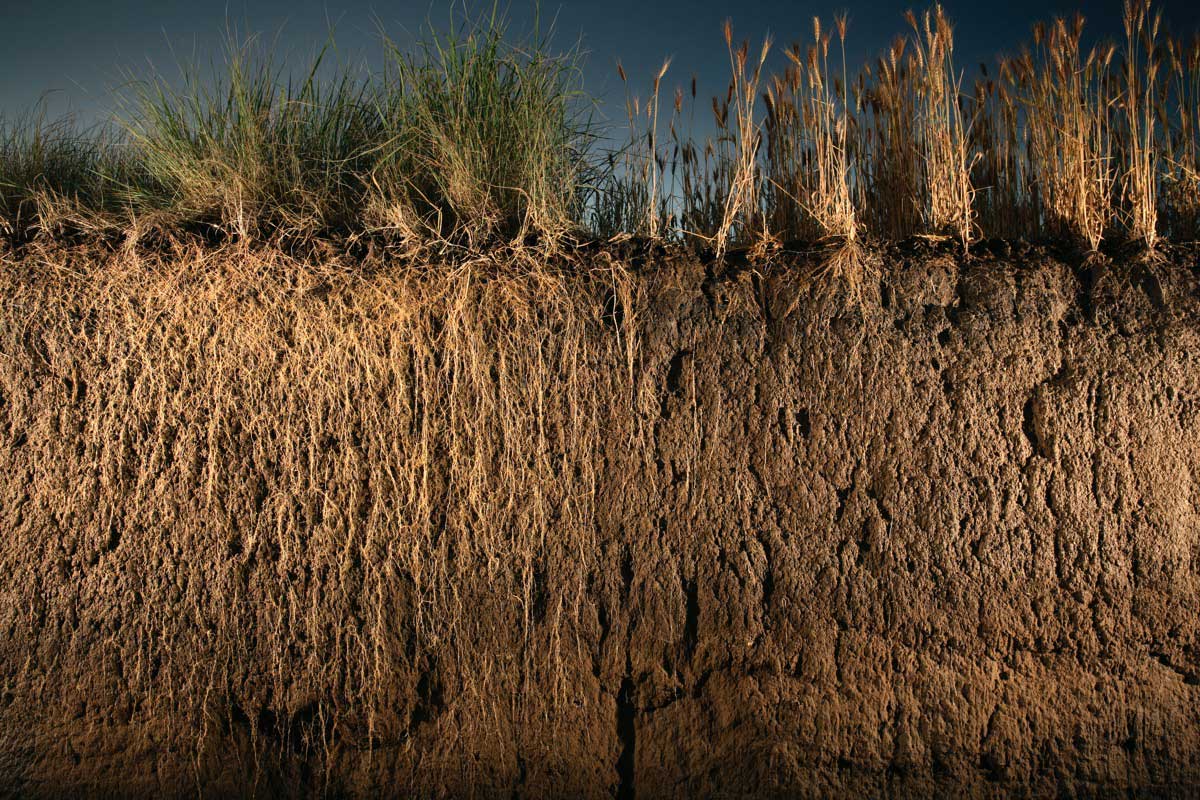
Kernza® perennial grain offers a transformative solution to sustainable farming. Thriving for multiple years without replanting, it reduces the need for tillage and other resource-intensive inputs. Its extensive root system, which can reach over 10 feet underground, prevents soil erosion, cleans water, and improves overall soil health. This regenerative crop enhances the environment while contributing to a more resilient and sustainable food system.
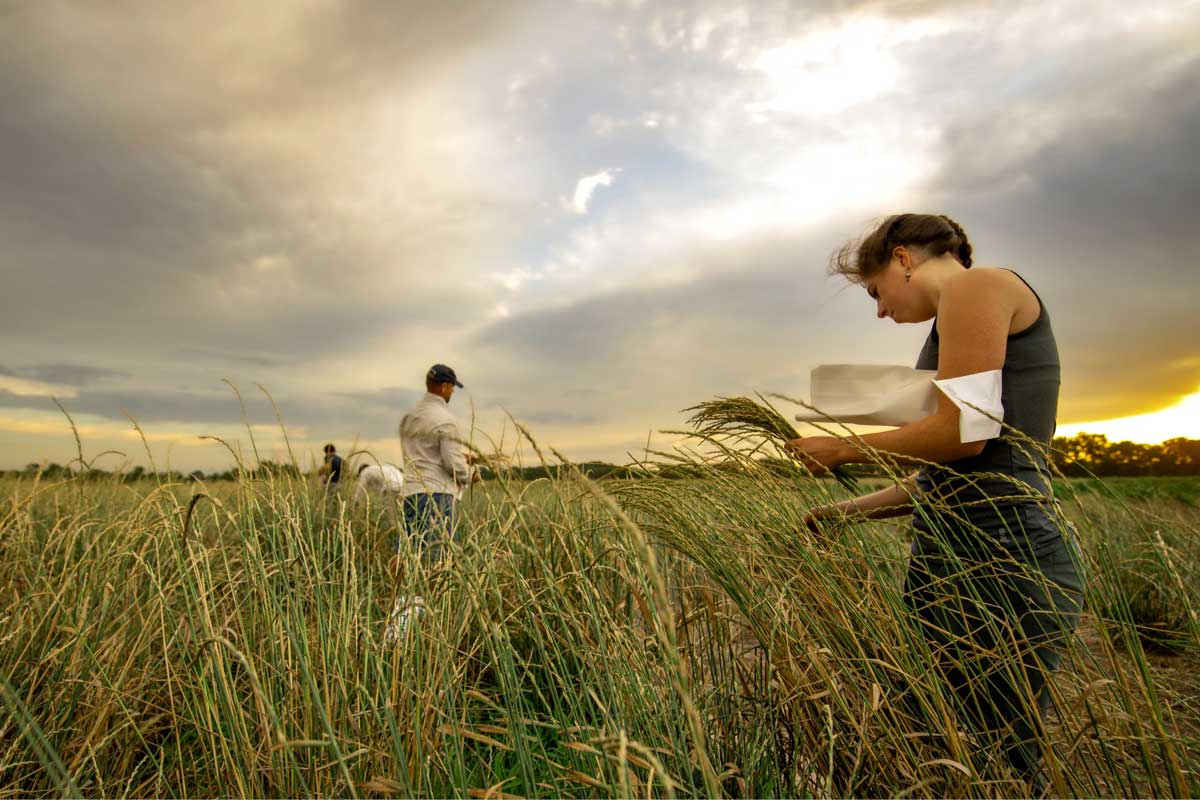
Mitigating Climate Change
Perennial grasses like Kernza® perennial grain can sequester 300 to 1,000 pounds of atmospheric carbon per acre annually in the soil. In previously tilled soils, this carbon accumulation can continue for decades, further contributing to climate change mitigation.
Protecting Water Quality
The deep root system of Kernza® perennial grain acts as a natural filter, significantly lowering the risk of nitrate contamination in drinking water. Studies have found that the root uptake of Kernza® can reduce nitrate levels in soil water by over 99% compared to corn and 96% compared to soybeans, bringing nitrate concentrations far below the EPA’s safe drinking water threshold.
Additionally, Kernza® perennial grain has been found to reduce soil erosion by 68% and surface nutrient runoff by about 30% compared to winter wheat.
Improving Soil Health
Kernza® perennial grain significantly boosts soil health by reducing soil erosion and nitrate leaching. Its long, dense root system and extended lifespan commonly increase soil organic matter and beneficial fungi as well as enhance water infiltration.
Strengthening Wildlife Habitats
Kernza® perennial grain begins growing early in the spring, providing critical shelter for insects, small mammals, migratory birds, waterfowl, and pheasants.
Kernza® perennial grain is not harvested until late July or early August, after the crucial nesting habitats for many bird species. The continuous ground cover also creates refuges for pollinators, small mammals, and other wildlife such as reptiles and amphibians.